 0
0
 0
0
A well-designed study room can significantly improve focus, productivity, and overall learning experience at home. Whether for students, remote workers, or professionals pursuing further education, having a dedicated space for studying helps separate work from leisure. Unlike temporary setups at dining tables or couches, a thoughtfully planned study room promotes concentration and organization.
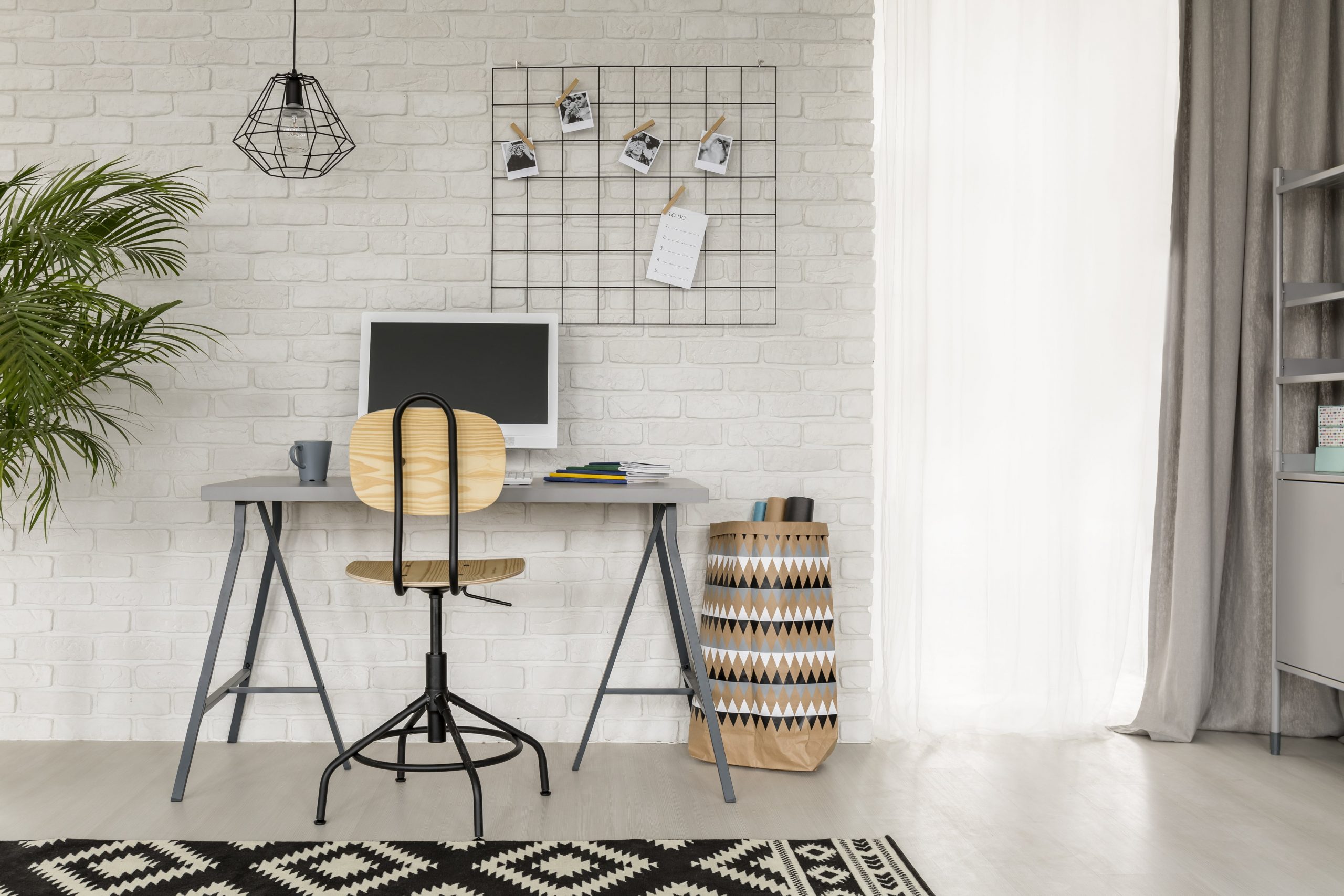
Designing a study room involves more than simply placing a desk and chair in a corner. Lighting, storage solutions, color schemes, and ergonomic furniture all influence comfort and efficiency. A balanced environment minimizes distractions while maintaining visual appeal. With the right layout and design elements, even small spaces can be transformed into functional study areas. By combining practicality with style, homeowners can create a learning space that encourages productivity and supports long-term goals.
Choosing the Right Location and Layout
Selecting a quiet area of the house is the first step in designing a study room. A space away from high-traffic areas reduces noise and distractions.
Positioning the desk near a window allows natural light to enhance focus and mood. However, glare on screens should be minimized with proper curtain placement.
Within practical home study room organization and productivity-focused interior setup ideas, layout planning directly impacts efficiency.
Adequate walking space and organized furniture placement create a comfortable workflow.
A structured layout supports concentration and daily consistency.
Investing in Ergonomic Furniture
Comfortable seating and proper desk height are essential for long study hours. Ergonomic chairs with lumbar support prevent back strain and improve posture.
Desks should provide sufficient surface area for laptops, books, and writing materials. Adjustable desks offer flexibility for different tasks.
Within effective functional home workspace design and learning environment optimization solutions, ergonomics play a crucial role in maintaining health.
Investing in quality furniture reduces fatigue and enhances productivity.
Comfort directly influences performance.
Maximizing Storage and Organization
Clutter can disrupt focus. Installing shelves, drawers, and cabinets keeps books and materials neatly stored.
Using labeled containers and file organizers simplifies document management. Vertical storage solutions are ideal for smaller spaces.
Within smart home organization systems and efficient study area storage strategies, thoughtful compartmentalization improves workflow.
A tidy study room creates a calm and focused atmosphere.
Organization supports consistent learning habits.
Lighting for Focus and Comfort
Proper lighting prevents eye strain and enhances concentration. Combining natural light with adjustable desk lamps ensures balanced illumination.
Warm ambient lighting creates comfort, while task lighting improves visibility during reading or writing.
Avoid harsh overhead lights that may cause discomfort.
Strategic lighting enhances both functionality and aesthetics.
Well-lit spaces boost productivity and mood.
Adding Personal and Motivational Touches
Personalized décor adds character without overwhelming the space. Inspirational quotes, framed artwork, or small indoor plants create a welcoming environment.
Choosing calming colors such as soft blues or neutral tones promotes mental clarity.
Minimal décor reduces distractions while maintaining warmth.
Personal touches help make the study room inviting and motivating.
Balanced design supports sustained focus.
Conclusion
Designing a study room at home requires thoughtful planning to balance productivity, comfort, and style. By selecting a quiet location, investing in ergonomic furniture, organizing storage effectively, ensuring proper lighting, and adding personalized touches, homeowners can create a space that encourages concentration and efficiency. A well-structured study room minimizes distractions and supports both academic and professional goals. Even small spaces can be transformed into functional learning environments with smart design choices. Prioritizing comfort and organization enhances long-term usability and performance. Ultimately, a carefully designed study room becomes more than just a workspace—it becomes a dedicated environment that nurtures focus, discipline, and achievement within the home.