 0
0
 0
0
As contactless payments and digital identification systems become more common, concerns about electronic pickpocketing and data theft have increased. Radio Frequency Identification (RFID) technology is widely used in credit cards, passports, access cards, and key fobs to enable wireless communication. While this technology offers convenience, it also raises questions about security and privacy. This is where RFID blockers come into play.
RFID blockers are designed to prevent unauthorized scanning of RFID-enabled cards and documents. Marketed as protective tools against digital theft, these products claim to shield personal data from wireless interception. However, many consumers remain unsure about how RFID blocking technology actually works and whether it is truly necessary. Understanding their usage, effectiveness, and limitations helps individuals make informed decisions. With increasing reliance on contactless systems, awareness of protective solutions has become more relevant than ever.
What Is RFID Technology and Why Is It Used?
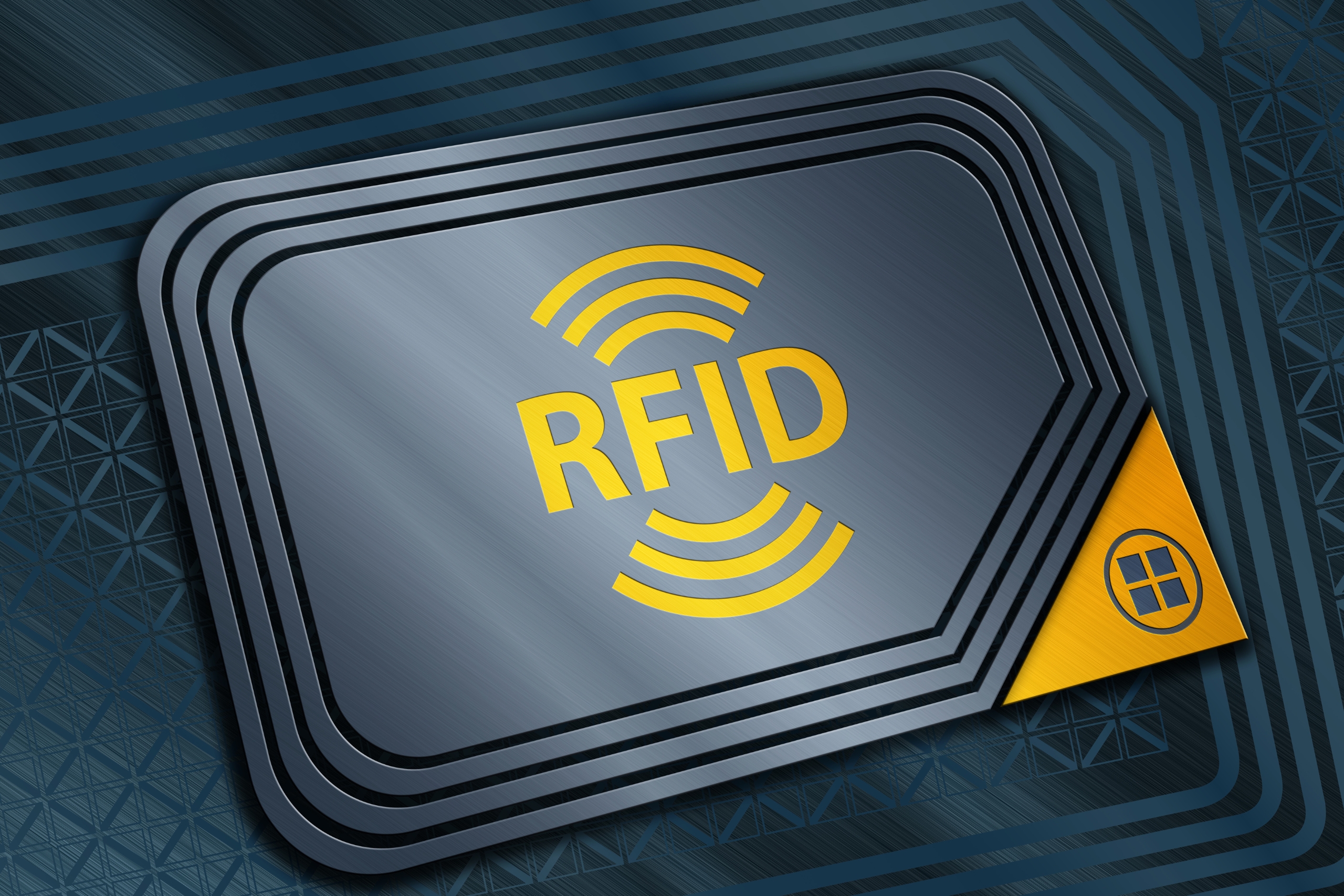
RFID technology uses radio waves to transmit data between a chip and a reader. It allows quick identification and verification without physical contact. This is why many modern credit cards, office ID cards, and travel documents use RFID.
The technology enhances speed and convenience in transactions and access control systems. However, because it relies on wireless communication, concerns about unauthorized scanning have emerged.
Within evolving contactless payment security and digital identity protection technologies, RFID systems are integral to modern infrastructure.
Understanding the basics of RFID helps clarify why blocking solutions exist.
Awareness begins with understanding the technology itself.
How RFID Blockers Work
RFID blockers function by creating a barrier that disrupts radio signals between the RFID chip and external scanners. They are often embedded in wallets, sleeves, or passport covers.
Most blockers use metallic layers or special materials that interfere with electromagnetic fields. When properly designed, they prevent unauthorized reading of card data.
Within practical personal data protection and wireless signal shielding innovations, RFID blockers act as passive security tools.
However, their effectiveness depends on product quality and correct usage.
Not all blockers provide equal levels of protection.
Are RFID Blockers Truly Effective?
The effectiveness of RFID blockers depends largely on the threat level and context. Short-range RFID scanners typically require close proximity, making large-scale theft less common than some marketing claims suggest.
Research indicates that while unauthorized scanning is technically possible, real-world incidents are relatively rare.
Within broader cybersecurity awareness and consumer privacy safeguarding strategies, RFID blockers offer an additional layer of precaution rather than guaranteed protection.
They may provide peace of mind but should not replace broader security habits.
Balanced understanding prevents unnecessary fear.
Situations Where RFID Blockers May Be Useful
Frequent travelers carrying RFID-enabled passports or multiple contactless cards may benefit from added protection.
Individuals attending crowded events or using public transportation might also prefer extra security measures.
RFID-blocking wallets can organize cards while offering shielding features.
Using blockers in high-traffic environments may reduce potential exposure.
Practical usage depends on personal comfort and lifestyle.
Precautions and Alternative Security Practices
While RFID blockers can help, they are not a complete security solution. Monitoring bank statements regularly and enabling transaction alerts enhance protection.
Using strong PIN codes and secure online authentication methods provides stronger safeguards.
Within responsible technology risk management and modern digital safety practices, combining physical and digital precautions ensures comprehensive protection.
Avoiding oversharing personal data remains critical.
Security requires layered strategies.
Conclusion
RFID blockers offer a practical way to add an extra layer of protection to contactless cards and identification documents. By disrupting radio signals, these tools can prevent unauthorized scanning in certain situations. However, their necessity depends on individual circumstances and perceived risk. While concerns about digital theft are valid, large-scale RFID-based fraud remains relatively uncommon compared to other cybersecurity threats. Therefore, RFID blockers should be viewed as supplementary protection rather than a standalone security solution. Combining them with broader digital safety practices—such as monitoring financial accounts and using secure authentication methods—provides more comprehensive protection. As contactless technology continues to expand, staying informed about both its benefits and risks empowers consumers to make confident decisions. Ultimately, balanced awareness and layered security measures offer the most effective approach to protecting personal information in a digitally connected world.